A Brief History of Oud
Oud — also known as Oudh — is one of the rarest and most luxurious fragrance ingredients in the world. Often called liquid gold, Oud comes from the resinous heartwood of the Aquilaria tree, found mainly in India, Cambodia, Thailand, and Southeast Asia. When the tree becomes infected with a natural fungus, it produces a dark, aromatic resin called Agarwood, which is then distilled to create pure Oud oil.
A Rich History Rooted in Culture
For over 3,000 years, Oud has been used across ancient civilizations.
- Egyptians burned Oud during rituals
- Chinese dynasties used Agarwood in meditation ceremonies
- Indian royal courts treasured Oud in early perfumery
But nowhere is Oud more cherished than in the Middle East, where it symbolizes hospitality, luxury, and celebration. Burning Bakhoor (Oud wood chips) remains a core tradition in homes, gatherings, and weddings.
Why Oud Is So Valuable
Oud is extremely rare because only a small percentage of Aquilaria trees naturally produce resin — and it can take decades to form. Extracting pure Oud oil is slow, labor-intensive, and requires skilled distillation. This is why authentic Oud is considered one of the most expensive fragrance materials globally.
What Does Oud Smell Like?
The Oud scent is complex, deep, and unforgettable. It can be:
- Smoky
- Woody
- Sweet
- Resinous
- Earthy
- Animalic
Each region creates a different profile — from sweet Cambodian Oud to smoky Indian Oud — making Oud perfumes unique and rich in character.
Types of Oud Perfumes
Oud appears in many forms:
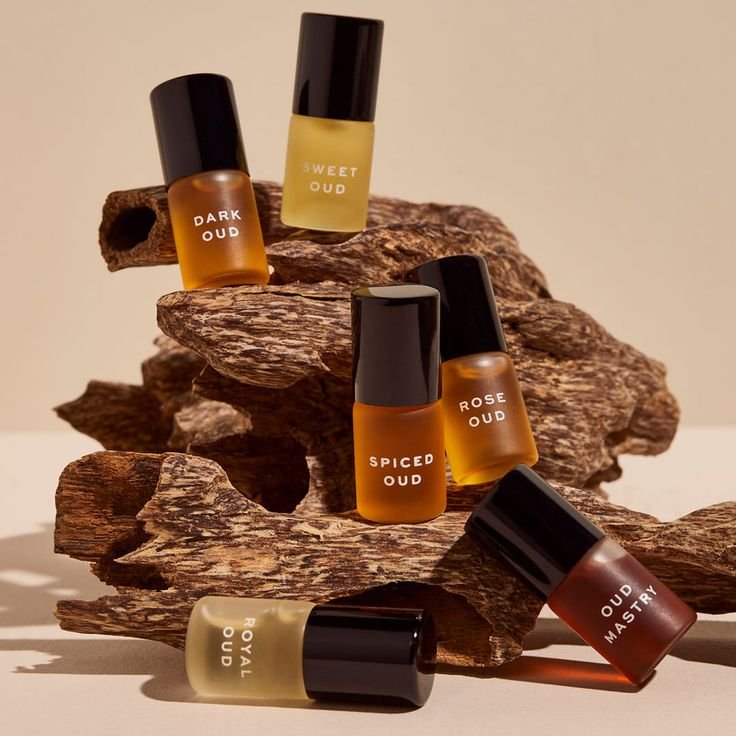
- Pure Oud oil (Dehn Al Oudh)
- Oud Eau de Parfum sprays
- Oud Bakhoor and incense
- Western Oud blends from brands like Creed, Dior, Tom Ford, YSL
The Timeless Appeal of Oud
Oud’s combination of rarity, cultural significance, and intoxicating scent ensures it remains the heart of Middle Eastern perfumery and a favorite in luxury fragrance houses worldwide.